Mistakes can ruin experiments. The syringe pump has transformed how laboratories deliver precise fluids, allowing accurate dosing from microlitres to millilitres. It ensures reproducible results and reduces human error. Researchers in pharmaceuticals, chemistry, and biotechnology rely on syringe pumps for long-duration experiments, where critical precision is essential. With programmable settings, these pumps can control infusion and withdrawal rates perfectly. Time is of the essence.
Digital Interfaces Improve Experiment Precision
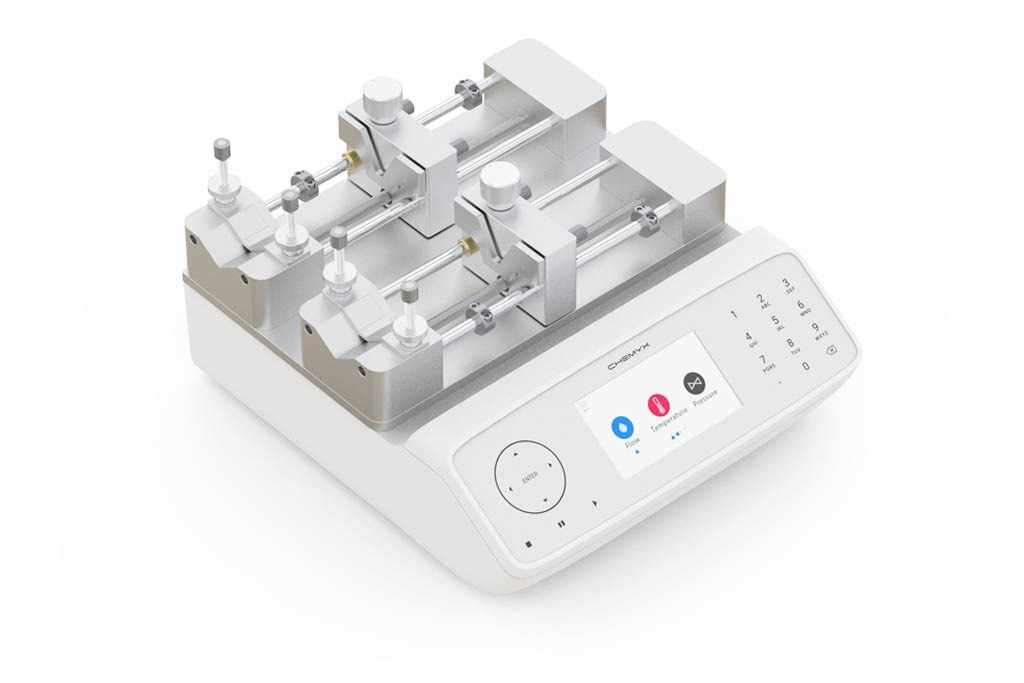
Modern syringe pump systems feature digital interfaces that provide exact control over flow rates and timing. Scientists can program experiments to run automatically without constant supervision. These compact and quiet devices accommodate various syringe sizes while maintaining accurate output. Safety mechanisms are in place to prevent overflow or overpressure, ensuring reliable operation.

Versatile Applications Across Industries
Syringe pumps are essential in medical, chemical, and research laboratories. They allow for precise doses in sensitive chemical reactions, microfluidics studies, and drug delivery in hospitals. Consistent flow minimises errors and improves outcomes in both experiments and clinical treatments, making them truly lifesaving. Their adaptability makes syringe pumps suitable for a wide range of applications, bridging laboratory research and industrial processes.
Compact Design Enhances Laboratory Efficiency
Modern syringe pump units are small yet powerful, fitting easily into crowded lab spaces without sacrificing functionality. They are quiet, portable, and programmable, with adjustable settings that allow for continuous operation during extended experiments. These compact designs integrate well with automation systems, reducing clutter and improving workflow. As a flexible solution, syringe pumps enable scientists to spend less time on manual operations and more on analysis.
Automation Ensures Consistent Results
Automation significantly enhances the reliability of syringe pumps. Feedback sensors monitor fluid flow and adjust motor speed as needed, maintaining precise delivery throughout extended experiments without the need for constant supervision. This critical accuracy is complemented by capabilities for remote monitoring and data logging, enhancing reproducibility and documentation. Advanced syringe pumps merge automation with mechanical precision, ensuring safe, repeatable, and efficient fluid handling.
Future Trends in Syringe Pumps
The syringe pump is evolving through advancements in AI, IoT, and miniaturisation. Future models will enable adaptive flow control, remote monitoring, and seamless integration with automated systems. This innovation paves the way for compact and connected devices, making portable laboratories a reality. Industries such as medical research, pharmaceuticals, and biotechnology stand to benefit from faster, safer, and more precise fluid handling, significantly increasing efficiency.
Conclusion
In conclusion, syringe pumps are vital tools for achieving accurate and efficient fluid handling in laboratories. For more information about advanced models and applications, visit chemyx.com. These devices minimise human error, enhance workflow, and ensure reproducible results across medical, chemical, and research environments. Continuous advancements in automation, AI, and compact designs make syringe pumps indispensable in delivering precision, reliability, and efficiency across various scientific and industrial disciplines worldwide.


Write a comment ...