Scientific equipment is most effective when its working mechanism is clearly understood. A Syringe Pump is widely used in laboratories for controlled fluid delivery, but its functionality is based on a precise and systematic process. Understanding how it operates helps researchers use it more effectively and ensures better control during experiments. A clear knowledge of its working principle supports accurate application and improved experimental outcomes.
Basic Concept Behind Fluid Control Systems
Fluid delivery systems are designed to control the movement of liquids with precision and consistency. In laboratory settings, maintaining a steady flow rate is essential for achieving reliable results. These systems rely on mechanical and electronic components that work together to regulate fluid movement. Understanding this concept is important for selecting and using the right equipment.

How the Syringe Pump Works Step by Step
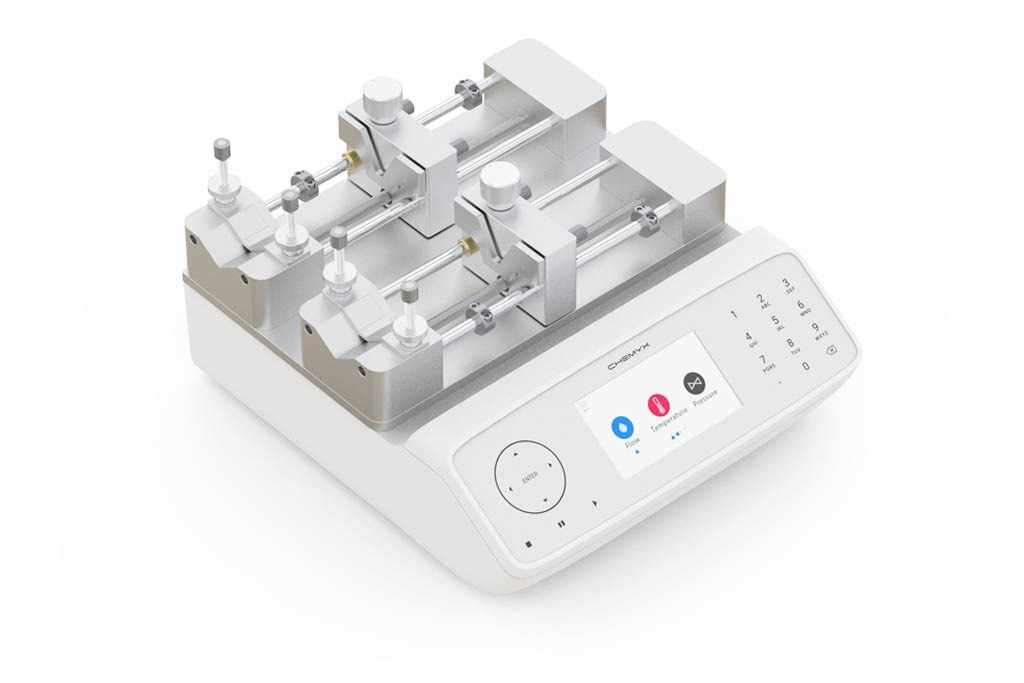
A Syringe Pump operates by using a motor-driven mechanism that pushes or pulls the plunger of a syringe. The motor controls the movement at a defined speed, which determines the flow rate of the liquid. By adjusting the speed and direction, the pump can deliver fluids continuously or in specific volumes. This controlled movement ensures accurate and repeatable fluid delivery.
Key Components Involved in Operation
• Motor system that controls plunger movement
• Syringe holder that secures the fluid container
• Control panel for setting flow rate and volume
• Drive mechanism that converts motor motion into linear movement
• Power system that supports continuous operation
These components work together to ensure precise functionality.
Importance of Controlled Flow Rate
Maintaining a consistent flow rate is essential in many experiments. Variations in fluid delivery can affect results and reduce accuracy. The ability to set and maintain a fixed flow rate ensures that experiments remain stable and predictable. This makes the syringe pump a reliable tool for controlled applications.
Applications Based on Working Principle
The working principle allows syringe pumps to be used in various applications such as chemical analysis, medical research, and microfluidics. Their ability to deliver small volumes with precision makes them suitable for sensitive experiments. Understanding how they function helps in maximising their effectiveness across different fields.
Conclusion
Understanding the working principle of a syringe pump helps researchers use it more effectively and achieve better control in laboratory processes. Its motor-driven mechanism ensures accurate and consistent fluid delivery, making it an essential tool in scientific applications. For reliable and advanced syringe pump solutions, chemyx.com provides valuable options to support precise and efficient laboratory operations.


Write a comment ...